- Home
- About Us
- Products
- HOT
- Applications
- News & Media
- Contact Us
Views: 0 Author: Site Editor Publish Time: 2026-03-31 Origin: Site
The hard part about shopping for led truck lights is not finding products. It is figuring out what each type of light is actually supposed to do. Many buyers see marker lights, cab roof lights, rear lights, and utility lamps all listed together and start treating them as one category, even though they solve very different problems. At Pingxiang Bowang Industry CO.,LTD, we supply truck lighting products for a wide range of practical applications, and the best lighting setup starts with understanding which lights improve safety, which improve visibility, and which simply make the truck easier to use every day.
Truck lights are not one single system with one single purpose. They usually fall into four basic jobs. Some lights help the truck stay visible on the road. Some help communicate turning, braking, and rear presence. Some help define the size and outline of the vehicle. Others are task lights that make loading, stepping, or working around the truck easier.
This is why the category feels confusing at first. A buyer may search for led truck lights and expect one answer, but the right answer depends on how the truck is used. A daily road truck does not need the same priorities as a work truck, a service truck, or a truck that often tows a trailer.
A lot of poor lighting decisions happen because buyers start with how a product looks instead of what it is meant to do. A stylish lamp may not be the first light the truck actually needs. A compact marker lamp and a rear brake-related light may both look simple, but they serve completely different roles.
That is why buying by category is more useful than buying by appearance. First decide whether you need outline lighting, rear communication, cab visibility, or task lighting. Once that is clear, product selection becomes much easier and much more accurate.
The larger the vehicle, the more important outline lighting becomes. Trucks are easier to misread than small passenger cars because they take up more space and often have more height and length. Marker and clearance lights help other drivers understand the truck’s size and body shape sooner.
This is especially important in low light, poor weather, or heavy traffic. A truck that is clearly outlined is easier to judge from the side, from an angle, and from a distance. That makes truck marker lights and side marker lights more than small accessories. They are part of how the truck presents itself safely on the road.
These lights also work as a system rather than as isolated pieces. Amber usually supports front-side and intermediate visibility, while red helps define the rear-related areas. When these colors are placed correctly, the truck feels easier to read from front to back.
That is why marker lighting should not be installed casually. The combination of position and color helps create a clear vehicle outline. For trucks and trailers, that outline can make a major difference in road awareness and overall lighting balance.
Cab roof lights remain popular because they sit in a very visible position and influence how the upper part of the truck is recognized. Buyers often pay attention to them because they are noticeable, but their value is not only visual. They can help the truck feel more defined from the front and improve its road presence, especially on larger vehicles.
This is one reason cab roof lights stay relevant in both replacement and upgrade conversations. The position itself is important enough that owners notice when those lights look weak, outdated, or inconsistent.
Cab roof lights can certainly affect appearance, but they also serve a functional role when the truck needs clearer upper outline recognition. On trucks with a larger body presence, these lights help complete the front and upper visual profile.
That makes them more useful than many buyers first assume. They are not always a priority on every truck, but on the right vehicle they contribute to width awareness and stronger overall presence. The key is to keep the decision practical. If they help the truck communicate its size and shape more clearly, they are doing real work beyond appearance.
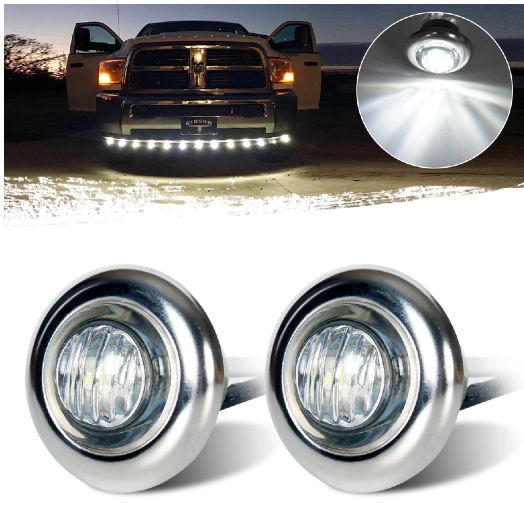
Rear truck lights carry one of the most important jobs in the whole system. They tell the driver behind you that the truck is present, braking, turning, or preparing to change movement. That communication has to be clear, immediate, and easy to recognize.
This is why rear lighting should always be treated as a priority category. Tail lights, stop lights, turn signals, and related rear lamps do more than illuminate. They help prevent confusion. A truck with clear rear lighting is easier for other drivers to respond to, especially when traffic is dense or weather conditions are poor.
Rear communication becomes even more important on work trucks because these vehicles often stop more often, carry equipment, operate in mixed traffic, and spend time in loading areas or roadside conditions. A truck that turns, slows, or backs up frequently needs dependable rear lighting that can keep its actions obvious to others.
For that reason, buyers who use trucks commercially often benefit from improving rear lighting earlier rather than later. The value is immediate because it affects both safety and day-to-day operation.
Not every useful truck light is a road light. Some lights exist to make the truck easier to use when parked, loading, or working. Cargo-related lamps, step-area lights, toolbox access lights, and other utility lamps are all part of this category.
These lights matter because trucks are often used as working platforms, not just as vehicles for travel. A truck owner who loads tools at night, checks supplies in a dim area, or works from the side of the truck may gain more from a utility light than from a purely visual upgrade. This is where lighting becomes about productivity as much as visibility.
A daily commuter truck may only need strong marker and rear visibility with a few practical utility upgrades. A service truck may need much more task lighting. A towing truck may place greater importance on rear communication and side visibility. This is why there is no universal lighting mix that suits every truck.
The most useful setup comes from matching the product type to the truck’s real role. That keeps the purchase focused and helps buyers avoid spending on lights they may not actually use.
For most buyers, the smartest upgrade plan begins with the lights that affect safety and everyday convenience first. Rear communication lights and marker lights often come high on the list because they affect road visibility. Cargo and step-related lights may also deserve early attention if the truck is used frequently at night.
This kind of plan works because it produces benefits that owners notice quickly. The truck becomes easier to see, easier to understand on the road, and easier to use in normal daily tasks.
Once the key lighting needs are covered, buyers can add more specialized products where they fit the truck’s actual use. That may include cab roof lights for upper vehicle presence or work-area lights for service use. The right second step depends on the truck, not on what looks most interesting in a catalog.
At Pingxiang Bowang Industry CO.,LTD, this is why multiple truck light categories matter. Buyers do not need more lights just for the sake of having more lights. They need the right categories in the right order.
Light type | Main function | Best use case | Why buyers upgrade |
Side marker lights | Define side outline and vehicle length | Trucks, trailers, long bodies | Better visibility and clearer vehicle shape |
Clearance lights | Show upper vehicle outline | Larger trucks and high-profile vehicles | Improved recognition and road presence |
Cab roof lights | Support width and upper visibility | Trucks with prominent cab profiles | Better upper-body presence |
Rear lights | Communicate braking and turning | All trucks, especially work trucks | Safer rear signaling |
Utility lights | Support tasks around the truck | Cargo, toolbox, step, and work use | Better daily convenience |
A good lighting plan is not about adding as many products as possible. The best led truck lights setup is the one where each category solves a specific problem, whether that is side visibility, rear communication, upper-body recognition, or work-area use. Pingxiang Bowang Industry CO.,LTD supplies truck lighting products for these different needs, helping customers build practical solutions that match real vehicle use instead of random upgrades. If you want to improve the way your truck looks, works, and communicates on the road, contact us today to explore the right truck lighting products for your application.
Start with the lights that improve safety and daily use most clearly. For many buyers, that means rear lights, side marker lights, or cargo-related utility lights.
No. They are useful on certain trucks where upper visibility and vehicle presence matter more, but they are not the first priority for every application.
They help define the outline, length, and side presence of the truck, making it easier for other drivers to understand the vehicle’s size and position.
They matter in a different way. Utility lights may not affect highway communication directly, but they can make loading, working, and nighttime truck use much more convenient.