- Home
- About Us
- Products
- HOT
- Applications
- News & Media
- Contact Us
Views: 0 Author: Site Editor Publish Time: 2025-12-03 Origin: Site
In the vast oceans, bustling inland waterways, or serene coastal bays, ship light and yacht light are far more than just illumination tools—they are the "visual sentinels" safeguarding marine navigation and the "silent communication tools" between vessels. Whether it’s an ocean - going cargo ship braving storms, a fishing boat operating at night, or a luxury yacht cruising along the coastline, compliant and high - quality marine lighting is the core guarantee to avoid collisions, clarify navigation intentions, and ensure the safety of crew, passengers, and vessels.
While both ship light and yacht light serve the fundamental purpose of marine safety, they differ significantly in design, function, and scenario adaptation due to the distinct usage environments and functional demands of commercial ships and recreational yachts. This comprehensive guide, tailored for Google search and industry knowledge platforms, follows the structure of "classification analysis - scenario adaptation - safety guidelines - buying guide". It deeply explores the core differences and commonalities between ship light and yacht light, integrates SEO keywords naturally, and delivers professional, practical content for marine enthusiasts, vessel operators, and industry buyers.
Marine lighting, including ship light and yacht light, can be systematically categorized into four core types based on their functions: navigation lights, signal lights, work lights, and emergency lights. Each type adheres to the International Regulations for Preventing Collisions at Sea (COLREGs), but there are obvious differences in specifications, materials, and design details to meet the unique needs of commercial shipping and recreational yachting.
1.1 Navigation Lights: The "Identity Card" for Marine Navigation
Navigation lights are mandatory for all vessels, serving as the primary means to indicate a vessel’s position, course, and size during nighttime or low - visibility conditions. They are the most basic and critical component of both ship light and yacht light.
Common Features
All navigation lights follow strict color and installation standards: red for port side, green for starboard side, white for masthead lights and stern lights. This universal standard ensures that vessels worldwide can quickly identify each other’s direction and status.
Differences Between Ship Light & Yacht Light
• Masthead Lights
◦ Ship Light: For commercial ships over 20 meters in length (such as ocean - going cargo ships, inland river barges), two masthead lights are required—forward and aft. The forward masthead light is installed at a higher position, with stronger brightness and a longer irradiation distance, enabling it to be seen dozens of nautical miles away in the open ocean. This helps distant vessels judge the ship’s course and avoid collisions in advance.
◦ Yacht Light: Most yachts, especially those under 20 meters, are equipped with only one masthead light. It is compact in design and integrated with aesthetic elements, usually installed at the top of the yacht’s cabin or mast. The brightness is moderate, meeting the needs of coastal cruising and near - shore navigation without excessive glare that may affect other small vessels.
• Sidelights & Stern Lights
◦ Ship Light: Sidelights of commercial ships are large in size, with a rugged stainless - steel shell to resist strong winds, waves, and salt spray corrosion. The stern light is installed at the highest point of the ship’s stern, with a wide irradiation angle to ensure visibility from the rear and both sides. This is crucial for large ships with a long hull to prevent being hit by following vessels.
◦ Yacht Light: Yacht sidelights are more lightweight and sleek, often embedded in the hull to maintain the vessel’s streamlined appearance. The stern light is usually combined with decorative elements, such as LED strips, which not only fulfill the safety function but also enhance the yacht’s night - time aesthetic appeal during evening cruises.
1.2 Signal Lights: Silent "Communication Tools" for Vessels
Signal lights convey specific navigation intentions, warnings, or status information through different colors, flashing frequencies, and combinations. They are essential for ship light and yacht light in scenarios such as berthing, meeting, and operation.
Common Features
Both commercial ships and yachts use standard signal light colors: white for anchoring, yellow for operation warning, and red for danger alert. The flashing frequency complies with COLREGs to ensure uniform recognition across the industry.
Differences Between Ship Light & Yacht Light
• Anchor Lights
◦ Ship Light: For large commercial ships, the anchor light is a high - power white lamp installed at the top of the main mast. It has strong penetration and can operate continuously for 24 hours. When anchored in open seas or busy ports, it clearly indicates to passing vessels that "this ship is moored and not moving under power", which is particularly important in crowded port anchorages.
◦ Yacht Light: Yacht anchor lights are smaller and more energy - efficient. Some luxury yachts are equipped with solar - powered anchor lights, which are environmentally friendly and suitable for long - term mooring in marinas. The light is soft to avoid disturbing other yachts and shore facilities nearby.
• Flashing Lights
◦ Ship Light: Commercial ships, such as engineering ships and fishing boats, use high - brightness yellow or red flashing lights. For example, dredgers working in inland rivers turn on yellow flashing lights to warn passing ships to detour the construction area. Fishing boats use red flashing lights to mark the scope of their fishing nets and prevent other vessels from damaging the nets.
◦ Yacht Light: Yachts rarely use high - intensity flashing lights. In special cases (such as participating in marine events or emergency warnings), they are equipped with portable red flashing lights that can be quickly installed. These lights are compact and easy to store, suitable for the occasional use needs of yachts.
• Fog Signal Lights
◦ Ship Light: Ocean - going ships and large inland river ships are equipped with fog signal lights with strong penetration, which work in conjunction with fog horns. In heavy fog, rain, or snow with extremely low visibility, the fog signal light flashes at a fixed frequency, helping ships identify each other’s position and distance in the fog.
◦ Yacht Light: Yacht fog signal lights focus on portability and quick activation. Since yachts mainly sail in coastal areas with relatively dense navigation aids, their fog signal lights have moderate brightness and are usually integrated with the navigation light system for one - key activation.
1.3 Work Lights: Specialized Illumination for Scenario - Specific Needs
Work lights are designed to meet the specialized operational needs of vessels. Ship light focuses on durability and functionality, while yacht light emphasizes versatility and aesthetic integration.
Ship Light Work Lights
Commercial ships have diverse work light demands based on their type:
• Fishing Work Lights: These include underwater lights and deck lights. Offshore fishing boats use underwater lights installed at the bottom of the hull, emitting blue or white light to attract fish schools. Deck lights provide high - brightness illumination for night net hauling and fish sorting. Ocean - going fishing boats’ work lights are made of corrosion - resistant materials to withstand long - term sea water erosion.
• Engineering Work Lights: Dredgers, salvage ships, and other engineering vessels are equipped with work lights with wide irradiation ranges and adjustable angles. Salvage ships’ work lights can illuminate underwater areas at night to assist divers in operations. Dredgers’ work lights cover the entire construction area of the waterway, ensuring safe and efficient night construction.
• Loading & Unloading Work Lights: Installed on both sides of the deck or above the cargo hold of ocean - going cargo ships and inland river transport ships, these lights evenly cover the cargo hold area during night loading and unloading operations. They have anti - collision designs to adapt to the frequent handling of goods.
Yacht Light Work Lights
Yacht work lights are more oriented towards leisure and entertainment scenarios:
• Deck Leisure Lights: Installed on the yacht’s deck, these lights have dimmable functions. They can provide soft ambient light for evening parties, dinners, or sunbathing on the deck, enhancing the leisure atmosphere.
• Tender & Dinghy Lights: Small work lights installed on the yacht’s supporting tender or dinghy, used for short - distance coastal travel at night, such as going to the shore for supplies or visiting nearby islands.
• Maintenance Work Lights: Portable LED work lights with waterproof features, stored on the yacht for emergency maintenance of the hull or equipment at night. They are lightweight and easy to carry, meeting the occasional maintenance needs of yachts.
1.4 Emergency Lights: "Lights of Life" in Critical Situations
Emergency lights are the last line of defense for vessel safety, activated during power outages, shipwrecks, or other emergencies. Both ship light and yacht light require emergency lights to be waterproof, shockproof, and long - lasting.
Common Features
All emergency lights are equipped with independent power supplies (batteries) and can automatically turn on when the main power fails. They include lifeboat lights and emergency evacuation lights, which are crucial for personnel evacuation and rescue.
Differences Between Ship Light & Yacht Light
• Lifeboat Lights
◦ Ship Light: Lifeboat lights for commercial ships are usually red or white, with a strong self - luminous function. They can continue to emit light for more than 24 hours even when immersed in sea water. They are installed on lifeboats and life rafts to help rescue teams quickly locate them in the open ocean.
◦ Yacht Light: Yacht lifeboat lights are smaller and more lightweight, in line with the size of yacht life rafts. They have a compact design and can be easily attached to the life raft. The luminous time meets the requirements of near - shore rescue, usually lasting 12 - 24 hours.
• Emergency Evacuation Lights
◦ Ship Light: For large commercial ships with complex internal structures, emergency evacuation lights are installed in cabins, corridors, stairs, and storage areas for life - saving equipment. They have a long battery life, adapting to the scenario of long - term waiting for rescue in the open ocean. The light is bright and clear, guiding a large number of crew members to evacuate in an orderly manner.
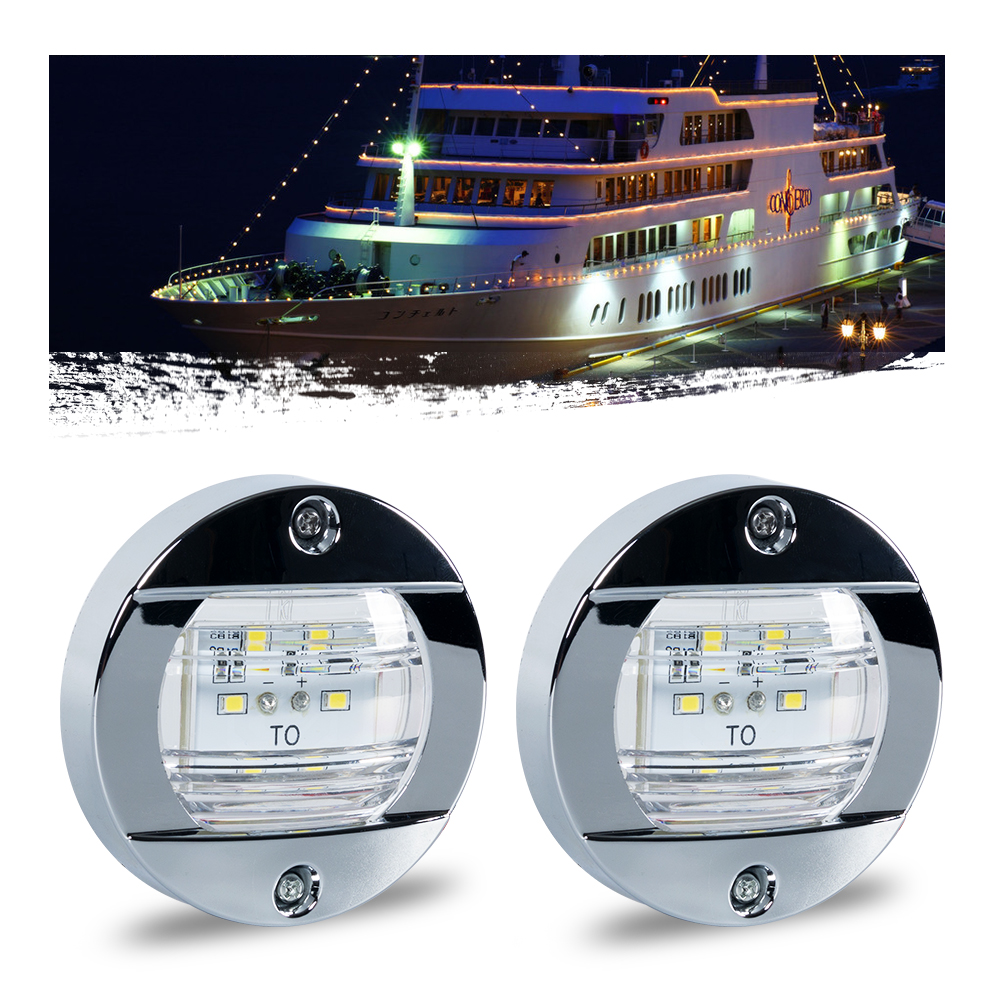
◦ Yacht Light: Yacht emergency evacuation lights are installed in key areas such as cabin passages and boarding ladders. They focus on quick evacuation guidance, as yachts usually have a small number of passengers and are close to the shore. The lights are soft to avoid causing panic during evacuation.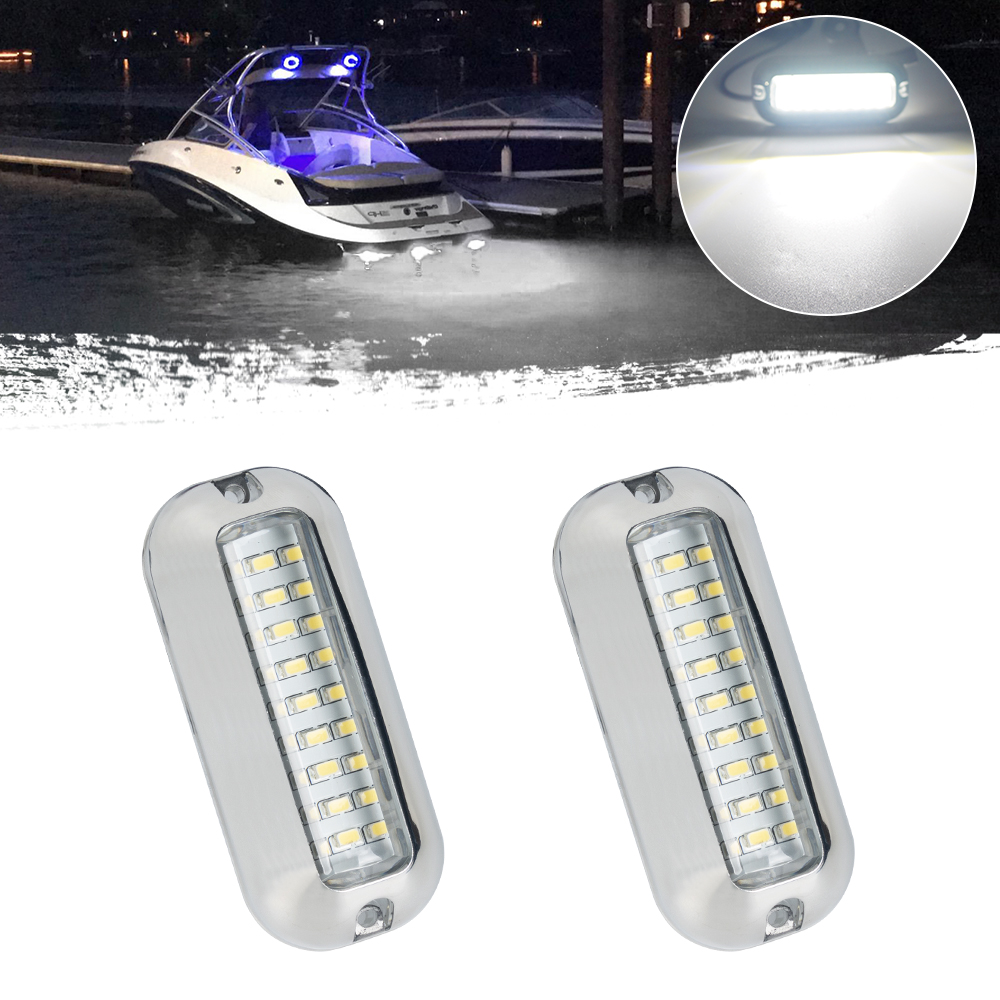
The performance of ship light and yacht light directly depends on their adaptation to specific marine scenarios. Commercial ships and yachts operate in vastly different environments, so their lighting systems are customized to meet the challenges of each scenario.
2.1 Scenario Adaptation of Ship Light
Commercial ships cover a wide range of navigation areas, from open oceans to inland rivers, and their lighting systems must cope with harsh conditions such as strong winds, heavy waves, salt spray, and low visibility.
• Ocean - Going Navigation Scenario: Ocean - going cargo ships and tankers face extreme weather such as storms, heavy fog, and high winds. Their ship light (especially navigation lights and fog signal lights) must have a waterproof rating of IP67 or above, a corrosion - resistant stainless - steel shell, and a high - brightness light source that can penetrate fog and waves. Masthead lights have a long irradiation distance to ensure mutual recognition between ships in the vast ocean.
• Inland River Navigation Scenario: Inland river barges and passenger ships sail in narrow waterways with dense vessels and many bridges and piers. Their ship light focuses on short - distance visibility and anti - glare design. Sidelights and stern lights are bright enough to avoid collisions during meeting and overtaking. Flashing lights for engineering ships clearly mark the construction area to prevent other ships from straying into it.
• Fishing & Engineering Operation Scenario: Fishing boats operating at night rely on high - power work lights to attract fish schools and illuminate the deck. Engineering ships such as dredgers and salvage ships use work lights with adjustable angles to meet the lighting needs of different operations. The lights are shockproof and vibration - resistant to cope with the shaking of the hull during operation.
2.2 Scenario Adaptation of Yacht Light
Yachts mainly operate in coastal areas, bays, and marinas, with navigation scenarios characterized by short distances, good visibility, and a focus on leisure and entertainment.
• Coastal Cruising Scenario: During daytime coastal cruising, yachts use decorative navigation lights to enhance their appearance. At night, the navigation lights and deck leisure lights are turned on simultaneously. The navigation lights ensure safe navigation, while the soft deck lights create a comfortable leisure atmosphere for passengers to enjoy the coastal night view.
• Marina Mooring Scenario: When moored in a marina, yachts use low - power anchor lights to indicate their position without disturbing other yachts and nearby residents. Some luxury yachts are equipped with decorative yacht light such as underwater LED strips, which emit colorful lights to make the yacht stand out in the marina and enhance its visual appeal.
• Night Entertainment Scenario: For yachts used for parties, dinners, or water sports at night, work lights such as deck lights and tender lights are essential. Dimmable deck lights can be adjusted according to the atmosphere of the event, and tender lights provide illumination for guests to take the tender to and from the shore.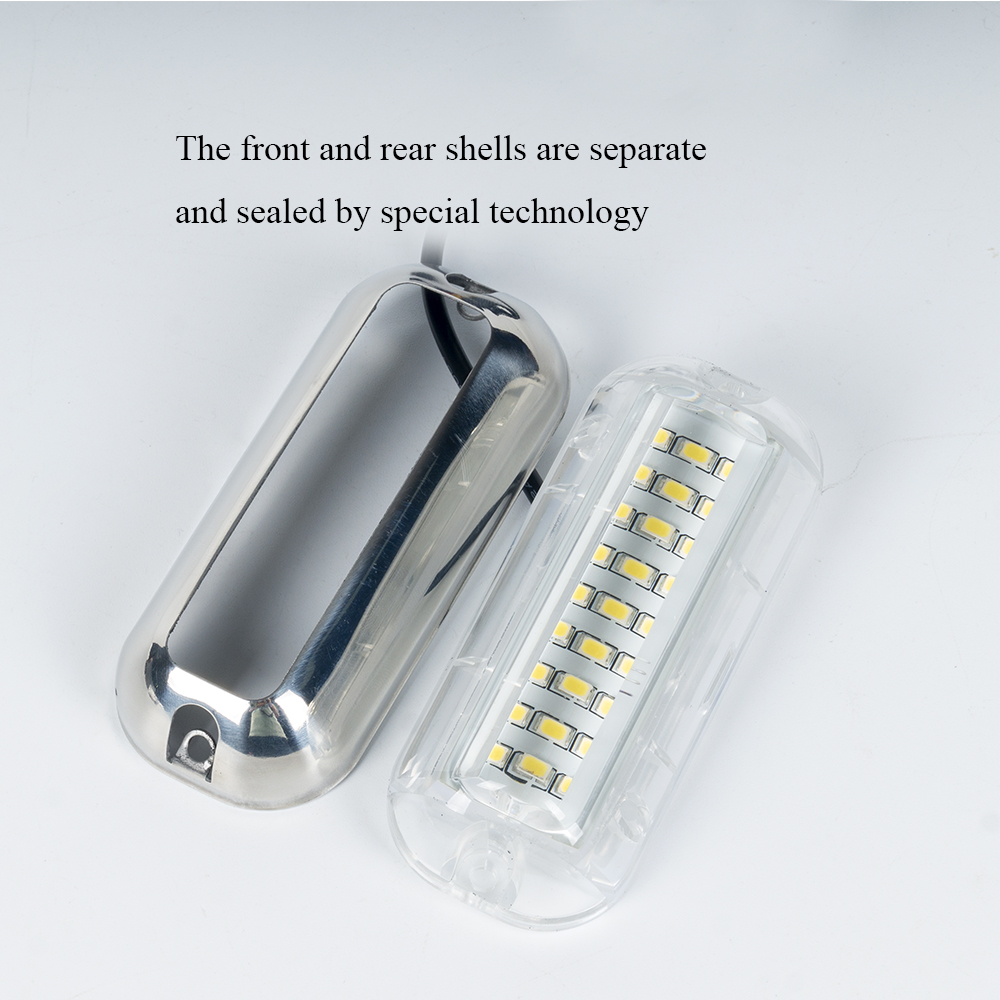
Both ship light and yacht light must strictly comply with international and local marine safety regulations. Compliance is not only a legal requirement but also the fundamental guarantee for navigation safety. Below are the core safety guidelines applicable to both, as well as special regulations for each.
3.1 Universal Compliance Standards (COLREGs Requirements)
The International Regulations for Preventing Collisions at Sea (COLREGs) are the basic guidelines for marine lighting, applicable to all vessels including commercial ships and yachts:
• Lighting Time: Navigation lights must be turned on from sunset to sunrise and during daytime periods of low visibility (such as fog, rain, and snow). Signal lights must be activated immediately when the corresponding operation (such as anchoring, engineering operations) starts.
• Installation Specifications: Navigation lights must be installed at the specified height and angle to avoid being blocked by the hull structure. Masthead lights of commercial ships must be higher than sidelights, and sidelights must be symmetrically installed on both sides of the bow.
• Light Intensity & Visibility: The light intensity and visibility range of ship light and yacht light must meet the requirements of COLREGs. For example, masthead lights of ships over 50 meters must be visible at a distance of at least 6 nautical miles, while yachts under 20 meters have a lower visibility requirement of 2 - 3 nautical miles.
3.2 Special Safety Regulations for Ship Light
Commercial ships, due to their large tonnage, complex structure, and large number of crew, have more stringent requirements for ship light:
• Regular Inspection & Maintenance: Classification societies (such as DNV, ABS) require commercial ships to conduct annual inspections of their lighting systems. Damaged or outdated lights must be replaced immediately to ensure that all lights are in normal working condition during navigation.
• Emergency Light Drills: Crew members must conduct regular emergency light drills to be familiar with the location and use of emergency lights, ensuring that they can quickly activate the emergency lighting system in case of an emergency.
• Special Vessel Regulations: Different types of commercial ships have additional lighting requirements. For example, oil tankers must install explosion - proof ship light to prevent sparks from igniting flammable gases. Fishing boats must mark their fishing areas with red flashing lights to comply with fishing industry regulations.
3.3 Special Safety Regulations for Yacht Light
Yachts, as recreational vessels, have safety regulations that focus on port management and leisure scenarios:
• Marina Lighting Restrictions: When moored in marinas, yachts must use low - brightness anchor lights to avoid disturbing other vessels and shore residents. Decorative lights such as underwater strips must not affect the navigation of nearby vessels.
• Temporary Operation Regulations: When yachts carry out temporary operations such as water sports or fishing, they must install temporary signal lights to indicate their operational status to other vessels. These lights must be approved by local maritime authorities.
• Personal Safety Lighting: Yachts are required to be equipped with portable emergency lights for passengers, such as waterproof flashlights, to ensure personal safety during emergency evacuation or boarding and alighting at night.
Selecting the appropriate ship light and yacht light requires considering factors such as navigation environment, vessel type, functional needs, and compliance standards. Below is a detailed buying guide to help you make informed decisions.
4.1 Core Selection Principles for Ship Light
When purchasing ship light, prioritize functionality, durability, and compliance, as commercial ships operate in harsh and long - term marine environments:
• Material Selection: Choose lights with a stainless - steel (304 or 316L) shell and tempered glass lampshade. These materials have excellent corrosion resistance and can withstand salt spray, seawater erosion, and strong winds. Avoid lights with plastic shells, as they are prone to aging and cracking in the marine environment.
• Waterproof & Dustproof Rating: The waterproof rating must be IP67 or above to ensure that the lights do not short - circuit due to seawater immersion or heavy rain. For ocean - going ships, opt for lights with an IP68 rating for enhanced protection against extreme weather.
• Light Source Selection: LED lights are the best choice for ship light. They have low energy consumption, a long lifespan (up to 50,000 hours), and stable brightness, reducing the frequency of replacement and maintenance costs. Avoid incandescent bulbs, which have high energy consumption and short lifespans.
• Compliance Certification: Ensure that the lights have passed certification from international authorities such as COLREGs, DNV, or ABS. Certified lights meet global safety standards and can avoid legal risks during cross - border navigation.
4.2 Core Selection Principles for Yacht Light
Yacht light selection balances functionality, aesthetics, and portability, catering to the leisure and decorative needs of yachts:
• Aesthetic Integration: Choose lights that match the yacht’s overall design. For example, embedded sidelights, streamlined masthead lights, and colorful underwater decorative lights can enhance the yacht’s visual appeal without damaging its streamlined shape.
• Energy Efficiency & Portability: Yachts rely on batteries for power supply, so energy - efficient LED lights are a must. Portable work lights and emergency lights should be lightweight and easy to store, taking up minimal space on the yacht.
• Multi - functional Design: Prioritize multi - functional lights that combine multiple functions. For example, deck lights with dimmable and color - changing features can meet both lighting and entertainment needs. Navigation lights integrated with signal lights save installation space and improve operational convenience.
• Marina - Friendly Features: Select anchor lights and decorative lights with low brightness and soft light to comply with marina regulations and avoid disturbing others. Solar - powered lights are a good option for long - term mooring, saving battery power.
4.3 Common Buying Mistakes to Avoid
• Ignoring Compliance: Purchasing uncertified lights to save costs can lead to maritime fines and safety risks. Always prioritize lights that meet COLREGs and local regulatory requirements.
• Neglecting Environment Adaptation: Choosing inland river - suitable ship light for ocean - going ships will result in premature damage due to inability to withstand harsh ocean conditions. Similarly, using ocean - grade heavy - duty lights on small yachts is a waste of resources.
• Overlooking Maintenance Accessibility: Select lights with easy - to - replace components. Commercial ships and yachts have limited maintenance space, so lights with simple disassembly and assembly structures can reduce maintenance time and costs.
Whether it’s a commercial ship carrying goods across the ocean or a luxury yacht cruising along the coast, ship light and yacht light are indispensable core components. Their differences lie in the adaptation to operational scenarios and functional priorities—ship light emphasizes durability, high performance, and compliance to cope with harsh commercial navigation environments, while yacht light integrates aesthetics, energy efficiency, and multi - functionality to meet the leisure and entertainment needs of yacht owners.
By understanding the classification, scenario adaptation, safety guidelines, and buying tips of ship light and yacht light, you can not only ensure compliance with marine regulations but also optimize the lighting system of your vessel to enhance navigation safety and operational experience. Investing in high - quality, compliant marine lighting is an investment in the safety of personnel and vessels.
Whether you are a commercial ship operator, a yacht enthusiast, or a marine lighting buyer, choosing the right ship light and yacht light is crucial. If you have further questions about lighting configuration for specific vessel types (such as large cargo ships, luxury yachts, or fishing boats), feel free to consult our professional team for tailored solutions.